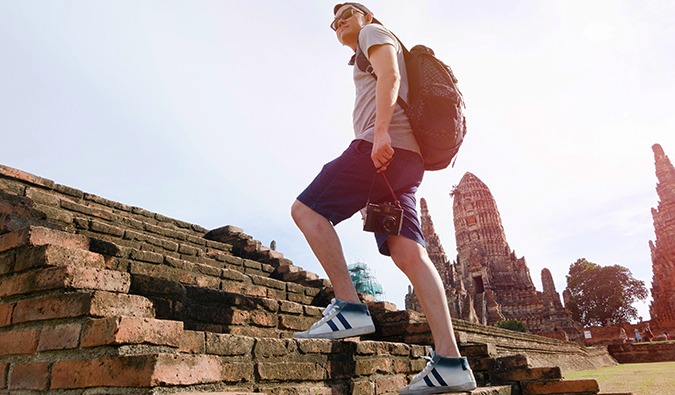
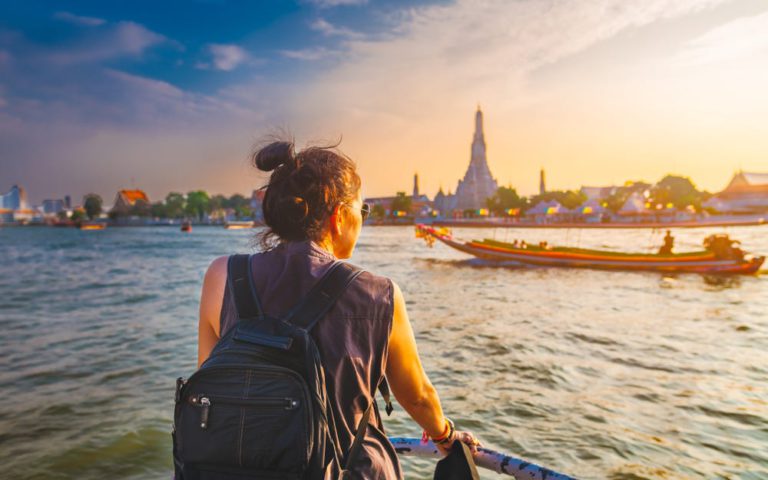
From the towering peaks of the Himalayas to the lush rainforests of South America, hiking the world’s most breathtaking trails is an experience like no other. Whether you’re venturing into remote mountain ranges or traversing coastal cliffs, the rewards of hiking include stunning views, fresh air, physical challenge, and deep connection with nature. But before you lace up your boots, it’s important to know what to pack and what to expect on your journey.
Iconic Trails Worth The Trek
Some hiking routes are known worldwide for their beauty, challenge, and unforgettable landscapes. Here are just a few you might want to add to your bucket list:
- Inca Trail, Peru: A four-day journey through the Andes leading to the ancient ruins of Machu Picchu.
- Tour Du Mont Blanc, Europe: A 10-day hike through France, Italy, and Switzerland around the Mont Blanc massif.
- Pacific Crest Trail, USA: A 2,650-mile trek from Mexico to Canada, traversing California, Oregon, and Washington.
- Tongariro Alpine Crossing, New Zealand: A one-day volcanic hike offering views of craters, emerald lakes, and alpine meadows.
- Laugavegur Trail, Iceland: A multiday route through colorful rhyolite mountains, glaciers, and hot springs.
Each of these trails varies in difficulty, duration, and terrain, but all share one thing in common: breathtaking natural beauty.
What To Pack For A Multi-Day Hike?
Packing smart is crucial for a successful hiking trip. What you bring should keep you safe, comfortable, and self-sufficient. Here’s a basic checklist for most multi-day hikes:
- Backpack (35–60L)
Choose a pack with good support, adjustable straps, and a hydration sleeve.
2. Clothing (Layered System)
- Moisture-wicking base layers.
- Insulating mid-layer (fleece or down jacket).
- Waterproof outer layer (jacket and pants).
- Extra socks and underwear.
- Hat, gloves, and buff for warmth or sun protection.
3. Footwear
Sturdy, broken-in hiking boots or trail shoes, depending on the terrain.
4. Sleep System (If Camping)
- Lightweight tent or shelter.
- Sleeping bag appropriate for the season.
- Sleeping pad for comfort and insulation.
5. Cooking Gear
- Portable stove and fuel.
- Lightweight cookware.
- Utensils and reusable containers.
- Biodegradable soap and sponge.
6. Food And Water
- High-calorie, easy-to-prepare meals and snacks.
- Water bottles or hydration bladder.
- Water purification method (filter, tablets, or UV pen).
7. Safety And Essentials
- Map, compass, or GPS device.
- Headlamp with extra batteries.
- First-aid kit.
- Sunscreen and insect repellent.
- Multi-tool or knife.
- Lightweight power bank for electronics.
8. Personal Items
- Identification and permits.
- Travel insurance (if applicable).
- Lightweight towel and toiletries.
Always research your specific trail’s requirements, climate, and available amenities to tailor your gear accordingly.
What To Expect On The Trail?
While the views will leave you speechless, multi-day hikes also come with physical and mental challenges. Expect:
- Varying Weather: Conditions can change quickly in the mountains or wilderness. Be prepared for sun, wind, rain, and cold—even in summer.
- Altitude: High elevations can impact breathing and energy. Acclimate properly and pace yourself.
- Fatigue: Long days on your feet can be tough. Take regular breaks and listen to your body.
- Isolation: Some trails are remote. Let someone know your itinerary and carry emergency contact devices where needed.
Final Thoughts
Hiking the world’s most stunning trails is an unforgettable adventure. With the right preparation, realistic expectations, and the proper gear, you’ll be ready to take on the challenge and soak in the beauty one step at a time. Whether it’s your first hike or your fiftieth, the trail always has something new to teach you.
Visit these links for similar information :
https://uggaustraliasalenet.com
https://kumpulanbandarpoker.org
https://mrfinancechallenge.com